
Rice water regularly comes up in discussions about sports nutrition, often presented as a natural alternative to industrial recovery drinks. What is the actual nutritional value of this beverage compared to other options available after exercise? The available data allows us to pinpoint its strengths and limitations.
Nutritional composition of rice water compared to recovery drinks
Comparing rice water to commonly used post-sport beverages helps to understand what it provides and what it lacks. The table below contrasts the main nutrients involved in muscle recovery and energy replenishment.
| Criteria | Rice Water | Isotonic Drink | Protein Drink |
|---|---|---|---|
| Carbohydrate Content | Moderate (dissolved starch) | High (glucose, maltodextrin) | Low to moderate |
| Protein Content | Very low | None or negligible | High (whey, casein) |
| Electrolytes | Traces (potassium) | Calibrated dosage (sodium, potassium) | Variable depending on formulation |
| Vitamins | Traces of B vitamins | Frequent addition of B and C vitamins | Variable |
| Digestibility | Very good | Good | Sometimes heavy after exercise |
Rice water stands out for its digestibility and a moderate carbohydrate content in the form of starch. However, it does not meet the protein or calibrated electrolyte needs required for complete recovery.
A detailed guide on the benefits of rice water for athletes confirms this usage focused on energy rather than overall rehydration.

Carbohydrates and muscle glycogen replenishment after training
Post-exercise recovery largely depends on replenishing glycogen stores. This is where rice water shows real interest, provided its limitations are well understood.
The starch released by cooking rice is found in dissolved form in the water. This carbohydrate contribution facilitates a start to energy replenishment in the minutes following exercise. Specialized sources in sports nutrition indicate that the optimal window for carbohydrate consumption is within thirty to sixty minutes after training.
In contrast, commercial isotonic drinks contain glucose or maltodextrin at precisely dosed concentrations to maximize intestinal absorption. Rice water, prepared in a homemade manner, offers a more variable and generally lower carbohydrate concentration.
Rice Cream and Rice Water: Two Distinct Uses
Rice cream, popular in bodybuilding, represents a different product. It concentrates a significantly higher amount of carbohydrates, designed to quickly replenish glycogen. Rice water remains a diluted version, lower in calories, more suitable for light recovery or as a supplement between the post-workout meal and rehydration.
Rice water does not replace a structured recovery meal, but it can serve as an initial carbohydrate intake that is easily tolerated by the stomach.
Limitations of rice water for complete sports recovery
Recent specialized content emphasizes a structured recovery logic, adapted to the duration and intensity of the effort. Rice water, despite its qualities, leaves several needs unmet.
- Effective rehydration after intense effort requires a calibrated intake of sodium and potassium. Rice water contains only traces of electrolytes, insufficient to compensate for significant sweating.
- Muscle recovery depends on protein intake. Rice water is almost devoid of it, necessitating pairing with a protein source (meal, shake, dairy).
- The carbohydrate concentration varies depending on the type of rice, the amount of water, and the cooking time. No standardization guarantees a reproducible intake from one preparation to another.
In summary, rice water covers a fraction of the recovery spectrum. Presenting it as a unique drink after exercise ignores the protein, electrolyte, and vitamin needs that the body requires after intense training.
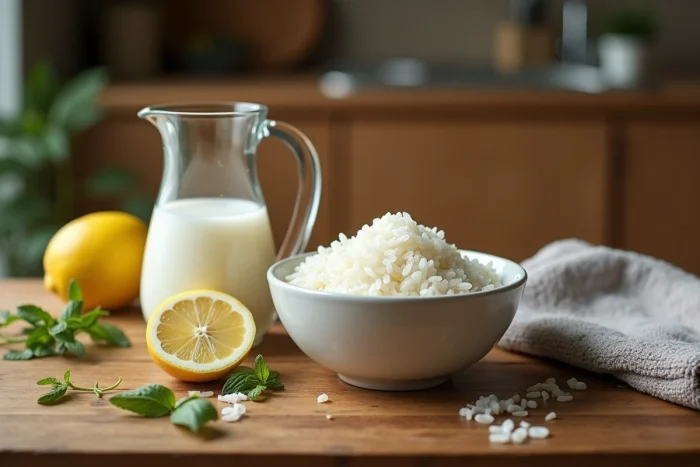
Sports Profiles and Contexts Where Rice Water Fits
Rice water is not intended to replace a complete nutritional strategy. It finds its relevance in specific contexts.
After moderate effort of less than an hour, when sweating remains limited, rice water provides a gentle, easily digestible carbohydrate supplement. Athletes prone to digestive issues after exercise find an advantage: its gastric tolerance exceeds that of most sugary drinks.
For weightlifters, it can serve as a transition between the end of the session and a solid meal, without causing heaviness. Its low cost and simplicity of preparation make it accessible, where isotonic or protein drinks represent a regular budget.
What Rice Water Does Not Do
After prolonged effort or in high heat conditions, the priority remains a drink containing dosed electrolytes. Rice water does not compensate for significant sodium loss and is insufficient as the sole source of recovery after intense effort.
The interest of rice water for sports performance lies in a specific role: a light, well-tolerated carbohydrate intake that fits into a broader nutritional strategy. The data emerging from available analyses is clear: no single drink covers all recovery needs. Rice water contributes to it, without resolving it alone.