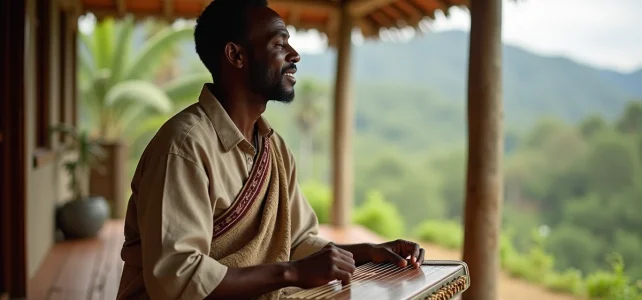
Madagascar occupies a unique place in the cultural landscape of the Indian Ocean. Its music scene, online media, and video production have been undergoing a transformation accelerated by digital platforms in recent years. Between gasy clips with renewed aesthetics, news relayed by local media, and viral content on social networks, the Great Island produces a dense cultural flow that far exceeds its diaspora.
Gasy Clips and Afrobeats Influence: A Changing Video Production
Recent releases of Malagasy clips reveal an aesthetic turning point. Titles like WALMILI with “Mamany Zaza” or BRIEL with “Latsaka Arivariva” adopt visual and musical codes directly borrowed from afrobeats and amapiano. Precise choreography, saturated color palettes, rapid editing: gasy clip production now integrates afro-urban standards.
This shift is not limited to the packaging. The format itself is changing. Malagasy creators systematically shoot in vertical format to feed Instagram reels and YouTube Shorts, alongside longer versions. A single clip thus generates several short extracts calibrated for algorithmic discovery, allowing it to reach an audience well beyond Malagasy-speaking circles.
To keep up with these releases and access a regular overview of Malagasy culture online, a useful resource is: https://gasy.net/, which aggregates news, music, and videos related to Madagascar.
Online Malagasy Music: Between Specialized Channels and Social Networks
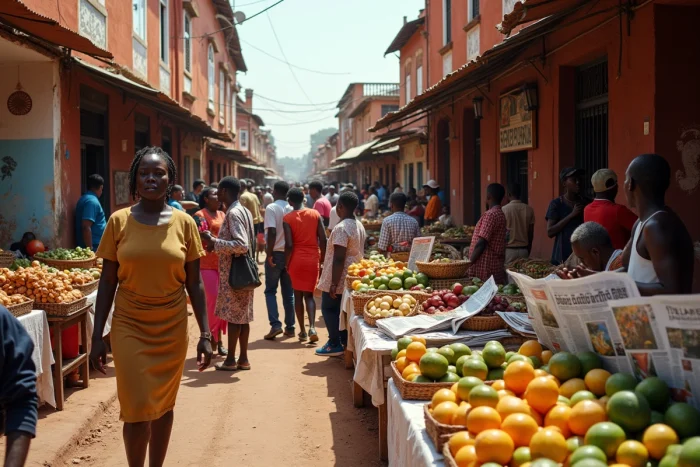
The discovery of new Malagasy music is no longer limited to YouTube or Facebook. Since 2024, local media and specialized pages have structured a regular editorial offering. Channels like Music Couleur Tropical Madagascar program weekly clip releases, with an editorial line focused on tsapiky, gasy rap, and afro-urban currents.
This weekly programming serves as an alternative to the algorithms of major platforms. While YouTube recommends based on individual history, these specialized channels offer a curatorial selection that highlights emerging artists. The model resembles that of music blogs from the 2010s, transposed into video.
Tsapiky, Gasy Rap, Variety: Three Currents to Distinguish
Tsapiky, originating from the southwest of the island, maintains a loyal audience base and a very active live scene. Gasy rap, on the other hand, captures a younger, urban audience, with productions that technically rival those from West Africa. Finally, Malagasy variety remains the most widely broadcast genre in bush taxis and during family events.
- Tsapiky is characterized by fast electric guitars and dry percussion, rooted in the traditions of southern Madagascar.
- Gasy rap mixes Malagasy flow with trap or drill beats, with clips filmed in Antananarivo or the Parisian diaspora.
- Variety incorporates French and South African influences and remains the dominant genre on local radio waves.
Field reports diverge on the actual extent of the digital transition: while artists from Antananarivo regularly publish online, musicians from rural areas remain largely dependent on live concerts for their income.
Malagasy News: How to Stay Informed from Afar
For the Malagasy diaspora, estimated at several hundred thousand people across France, Canada, and Réunion, access to local information comes through an ecosystem of websites and Facebook pages. Traditional Malagasy media (print, radio) have migrated to digital with varying degrees of success.
High-audience Facebook pages publish several dozen posts per day, mixing political news, miscellaneous facts, and cultural content. Facebook remains the dominant social network in Madagascar for information dissemination, far ahead of X or TikTok in terms of local reach.
Reliability and Verification: A Persistent Challenge
The abundance of content does not guarantee its quality. Source verification remains a challenge on Malagasy networks, where rumors circulate quickly. Some fact-checking initiatives exist, but they struggle to compete with the virality of unverified posts. For a French-speaking reader wishing to follow news from Madagascar, cross-referencing multiple sources remains the only reliable method.
Malagasy Videos and Short Formats: A Cultural Export Strategy
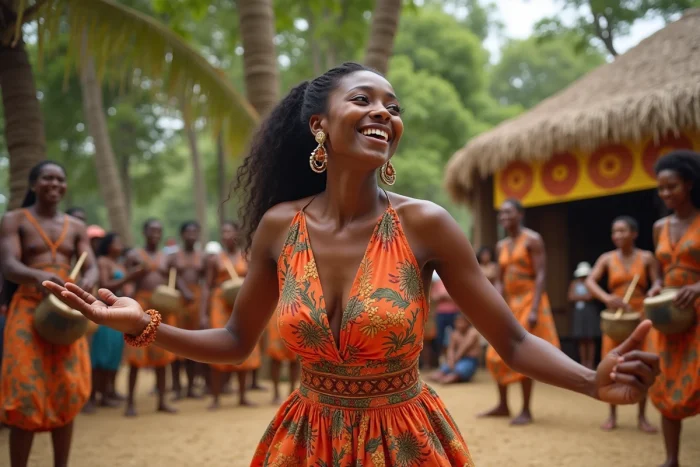
The use of short formats (reels, shorts) by Malagasy creators goes beyond simple musical promotion. Humor in Malagasy, remixed traditional dances, behind-the-scenes footage of clip shoots, scenes from everyday life in Antananarivo: these short contents function as cultural capsules accessible to a non-Malagasy-speaking audience.
The phenomenon is part of a broader dynamic. Malagasy creators use vertical formats to bypass language barriers, relying on visuals, music, and rhythm rather than text. A tsapiky dance reel does not need subtitles to capture the attention of a user in Abidjan or Johannesburg.
- Live concert excerpts, filmed on smartphones, generate high engagement as they showcase the raw energy of Malagasy performances.
- The “new gasy clip releases” compilations uploaded weekly create a regular appointment for diaspora subscribers.
- Humorous videos in Malagasy, often subtitled in French, serve as a gateway to Malagasy culture for a broader audience.
The available data does not allow for precise measurement of the impact of this strategy on the international recognition of Malagasy music. Online visibility is increasing, but monetization remains a structural issue for the majority of creators, who benefit neither from solid distribution contracts nor significant advertising revenues on these platforms.
The Malagasy cultural scene today produces more content than it has ever broadcast. The challenge is no longer creation but structuring an ecosystem that allows artists to make a living from it. As long as monetization circuits remain fragile, this cultural wealth will continue to circulate widely, without its authors capturing its value.