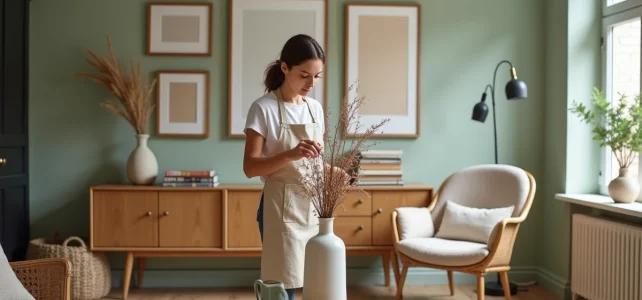
Repainting a wall, changing curtains, moving furniture: these actions appear in all decor guides. They work, but they are not always enough to permanently change the perception of a space. Transforming an interior requires understanding what in a room creates a feeling of comfort or discomfort, even before choosing a color or textile.
Air Quality and Bio-sourced Materials: The Invisible Comfort of a Room
An interior can be perfectly decorated and still be unpleasant to live in. Indoor air quality, humidity, and acoustic absorption directly influence daily sensations. These parameters largely depend on the materials present in the room.
In recent years, bio-sourced paints, hemp or linen panels, and textiles made from recycled fibers are no longer reserved for new constructions. ADEME and the HQE Alliance highlight their growing presence in existing housing. The interest goes beyond ecological gestures: these materials regulate humidity and improve the acoustics of a room without heavy intervention.
Specifically, replacing a classic vinyl paint with a bio-sourced paint in a living room or bedroom reduces volatile organic compounds in the air. Installing a linen fiber wall panel on a thin partition dampens resonance, changing the atmosphere of a living area open to the kitchen. These may seem like modest interventions, but their effect on comfort is noticeable within the first few days.
Several online resources detail this type of approach, including the home category on Le blog de Bango, which regularly addresses these topics related to housing.
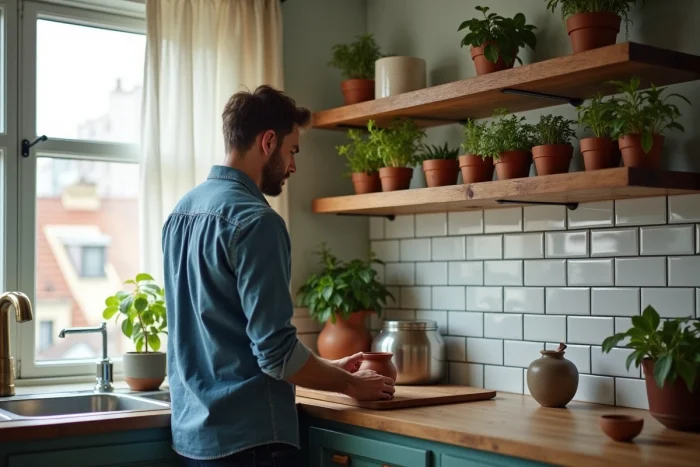
Energy Renovation and Interior Decoration: Two Projects Merging
The tightening of the schedule for the gradual prohibition of renting energy-intensive housing (labels G then F) is pushing many owners to undertake insulation work. This regulatory context is changing the way we think about transforming an interior.
When insulating walls from the inside, a few centimeters of living space are lost. This constraint forces a rethink of furniture layout, storage choices, and sometimes even the color palette to visually compensate for the reduction in space. Combining energy renovation and decorative rearrangement allows these adjustments to be absorbed in a single phase of work.
The Ministry of Energy Transition has noted a significant increase in requests for comprehensive renovations combining insulation and rearrangement. Field feedback varies on the actual additional cost of this combined approach, but the practical gain seems clear: one project instead of two, one period of inconvenience, and a coherent result between thermal performance and aesthetics.
Windows and Natural Light After Insulation
Replacing windows, often part of an energy renovation, radically transforms the brightness of a room. Recent double glazing lets in more light than old single glazing that is dirty or tinted over time. This gain in natural light changes the perception of wall colors and existing textiles.
Before repainting after insulation work, it is better to wait a few weeks to observe how the new light alters the ambiance. A shade chosen under old lighting may appear too cold or too saturated once the windows are changed.
Paint and Color: What Color Samples Don’t Show
Color remains the most accessible lever for transformation. Available data does not allow us to conclude that a specific shade universally suits a type of room. However, a few technical principles help avoid common mistakes.
- The orientation of the room alters the perception of color: a sage green will appear warmer in a southwest-facing room and grayer in a north-facing room
- Matte finishes absorb light and hide surface imperfections, while satin finishes reflect and accentuate every irregularity of the wall
- Testing a paint sample on a surface of at least 50 square centimeters, observed at different times of the day, remains the most reliable method to validate a choice
The classic trap is selecting a color in-store under neon lighting, only to discover it transformed once applied at home. The artificial light of the retail space systematically distorts the perceived shade.
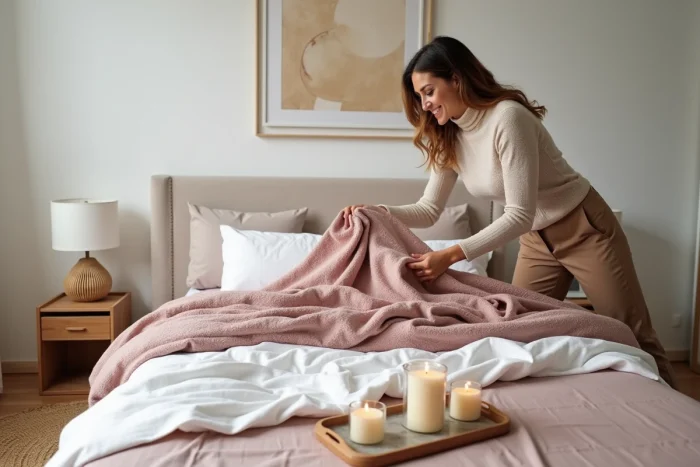
Furniture and Layout: Considering Circulation Before Decoration
Moving a sofa or adding a shelf may seem trivial. However, the impact on circulation in the room is considerable. A passage that is too narrow between two pieces of furniture, even by a few centimeters, is enough to create a feeling of clutter that neither colors nor lighting can correct.
Passage Areas and Proportions
Interior designers work with minimum passage widths. A main circulation corridor in a living room requires sufficient free space for two people to pass without contorting. Around a dining table, enough space must be allowed to pull out a chair without bumping into a wall or another piece of furniture.
- Measure the actual clearances around each piece of furniture before finalizing a layout
- Favor a well-proportioned piece of furniture rather than two small pieces that fragment the space
- Keep at least one wall free in each room to create visual breathing space
A well-proportioned space appears larger than a truly larger but poorly arranged space. This rule applies equally to a studio and a house with large living areas.
Refurbished Furniture and Vintage Pieces
The refurbished furniture market has evolved beyond traditional flea markets. Specialized platforms offer verified, restored, and sometimes guaranteed furniture. Integrating a vintage piece into a contemporary interior creates a contrast of materials (old solid wood, patinated metal) that standard new furniture struggles to replicate. It is also a choice consistent with a less resource-intensive decorating approach.
Transforming an interior is not just about applying a list of tips. Air quality, natural light after renovations, a reasoned choice of colors, and circulation in the space form a whole. Each modification leads to another, and the best results come from a holistic reading of the room before any purchasing or renovation decisions.